



































Airflow Straightening for Different Hair Types: What Women Should Know
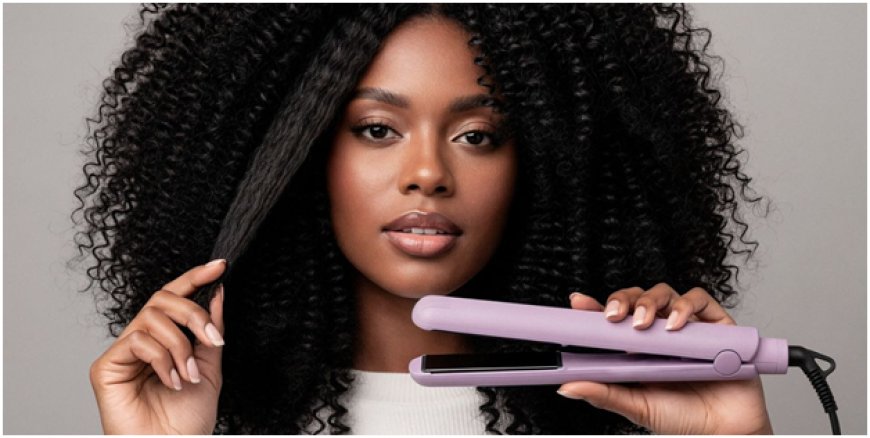
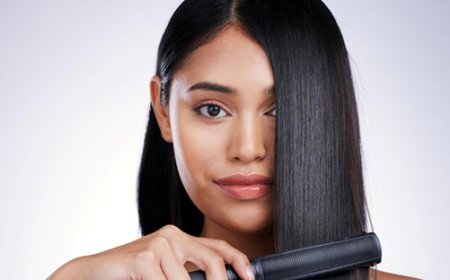
Hair styling today is no longer just about achieving straight hair it is about maintaining hair health while styling. With increasing awareness around heat damage, many women are exploring modern tools like the air hair straightener. Unlike traditional flat irons, airflow based straighteners promise smoother results with less stress on hair. However, not every hair type responds the same way. Understanding how airflow straightening works across different hair textures helps women make smarter styling choices.
Understanding Airflow Straightening Technology
Airflow straightening uses a combination of controlled heat and directional airflow to smooth hair strands. Instead of pressing hair between hot plates, this method gently stretches hair using air pressure while simultaneously drying and shaping it.
Key characteristics of airflow straightening include:
● Reduced direct heat contact
● Even heat distribution
● Lower chances of moisture loss
This makes airflow tools particularly appealing for women concerned about long term hair health.
Performance on Fine and Thin Hair
Fine hair is highly vulnerable to heat damage. Traditional straighteners can easily flatten it, making hair look lifeless.
With airflow straightening:
● Hair retains natural movement and bounce
● Less heat reduces breakage risk
● Styling feels lighter and more natural
Women with fine hair often notice better volume retention compared to plate based straightening.
Results on Frizzy and Wavy Hair
For those learning how to straighten frizzy hair, airflow technology offers a balanced solution. Frizz is often caused by dryness and uneven moisture levels.
Airflow straighteners help by:
● Sealing the cuticle more gently
● Reducing flyaways without extreme heat
● Creating smoother texture rather than stiff straightness
The result is hair that looks polished yet natural.
Suitability for Curly and Thick Hair
Curly and thick hair types usually require more heat to achieve straightness. While airflow straighteners may not deliver pin straight results in one pass, they still offer benefits.
What women with curls can expect:
● Softer straightening with natural volume
● Reduced dryness compared to flat irons
● Better hair condition over repeated use
For extreme straight looks, traditional straighteners may still be used occasionally, but airflow tools are safer for frequent styling.
Heat Damage and Hair Health Over Time
One of the most common concerns is whether hair straightening damages hair. Any form of heat styling can cause damage if overused, but airflow straighteners reduce the risk significantly.
Reasons airflow tools are gentler:
● Lower average heat exposure
● Fewer repeated passes
● Less moisture evaporation
While not damage free, airflow straightening is a healthier long term option for regular use.
Difference Between Straightening and Smoothening Results
Understanding the difference between straightening and smoothening helps set realistic expectations.
Straightening:
● Creates flat, pin straight hair
● Alters hair shape more aggressively
● Reduces volume
Smoothening:
● Controls frizz and waves
● Maintains natural hair flow
● Enhances manageability
Airflow straighteners focus more on smoothening with a straightened finish, making hair look healthy rather than overly styled.
Daily Styling and Home Use Comfort
For women exploring how to straighten hair at home, ease of use matters as much as results.
Airflow straighteners offer:
● Beginner friendly handling
● Faster styling with less effort
● Reduced wrist strain
This makes them suitable for daily routines, especially for working women and students.
Hair Care After Styling with Airflow Tools
Proper care after straightening hair ensures long lasting results and healthier strands.
Recommended post styling habits:
● Apply lightweight serum or leave in conditioner
● Avoid excessive re-styling
● Protect hair from humidity
Airflow styled hair usually feels softer and needs fewer finishing products.
Choosing the Right Tool for Your Hair Type
While airflow straighteners work well for most hair types, results depend on expectations and hair texture.
They are ideal for:
● Daily styling
● Frizz control
● Hair health focused routines
Women seeking ultra sleek results occasionally may combine both airflow and traditional straighteners wisely.
Conclusion
Airflow straightening is a modern, hair conscious approach to styling that suits a wide range of hair types. An air hair straightener offers gentler styling, reduced heat damage, and more natural looking results compared to traditional tools. While it may not replace flat irons entirely for every hair type, it provides a healthier everyday alternative. Understanding your hair texture and styling needs helps you get the best out of airflow technology without compromising hair health.
FAQs
1. Is airflow straightening suitable for all hair types?
Yes, though results vary based on hair thickness and curl pattern.
2. Does airflow straightening completely prevent heat damage?
No, but it significantly reduces damage compared to traditional straighteners.
3. Can airflow straighteners be used daily?
They are safer for frequent use, but moderation is still advised.
4. Does airflow straightening last as long as flat ironing?
The finish is softer but lasts well with proper care.
5. Is airflow straightening better for beginners?
Yes, it is easier to use and more forgiving than plate-based tools.
What's Your Reaction?