

















































From Contracts to Compliance: How CaseDocker Is Bringing Legal Workflows Under One Intelligent Platform
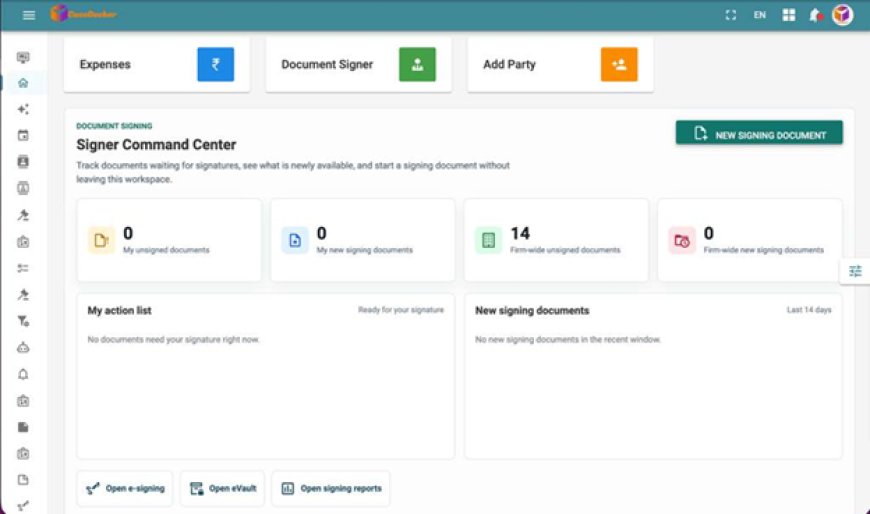
Every growing business reaches a point where managing legal work becomes increasingly difficult. Contracts are stored in one location, compliance records in another, litigation files sit on shared drives, approvals are exchanged over lengthy email threads, and important deadlines are tracked manually. While each system may work independently, together they often create an operational challenge that slows decision-making and increases administrative effort.
As businesses expand, this fragmented approach becomes harder to sustain. Legal teams are expected to respond quickly, collaborate with multiple departments, and maintain complete visibility across every legal process. Achieving that level of efficiency requires more than digital documents—it requires connected legal operations.
This shift is driving demand for unified Legal Operations (LegalOps) platforms that bring every stage of legal work into a single ecosystem.
Legal departments today handle far more than drafting agreements or responding to disputes. They oversee contract lifecycles, regulatory compliance, legal notices, corporate governance, document approvals, litigation management, policy administration, and interactions with both internal and external stakeholders. Managing these responsibilities across disconnected software solutions often creates duplicate work, inconsistent records, and limited transparency.
A centralized platform changes this dynamic by allowing legal professionals to manage their entire workflow from one place. Instead of switching between multiple applications, teams gain access to contracts, case files, compliance records, approvals, notices, and supporting documents through a unified environment. This improves efficiency while making information easier to access, monitor, and manage.
The impact extends beyond the legal department. Functions such as procurement, finance, human resources, sales, and executive leadership regularly interact with legal teams during business operations. Whether reviewing commercial agreements, approving vendor contracts, or responding to regulatory requirements, these departments depend on timely legal support.
When workflows are centralized, collaboration becomes significantly more efficient. Stakeholders can follow standardized approval processes, monitor the status of requests, and reduce unnecessary communication delays. This creates a more structured and transparent operating model across the organization.
Contract management is one of the clearest examples of why integration matters. Every contract passes through multiple stages, including drafting, internal review, negotiation, approval, execution, renewal, and eventual archival. Managing these stages manually or across multiple systems increases the possibility of missed deadlines, version conflicts, or incomplete records.
Integrated LegalOps platforms provide organizations with greater control throughout the contract lifecycle by ensuring documentation, approvals, and timelines remain connected. This not only improves operational efficiency but also strengthens governance and reduces business risk.
Compliance management presents similar challenges. Regulatory obligations continue to evolve, requiring organizations to maintain accurate documentation and clear audit trails. Without centralized oversight, tracking obligations across different systems becomes increasingly complex.
A unified legal platform enables businesses to standardize compliance processes, organize supporting documentation, and maintain greater visibility over regulatory activities. This structured approach helps organizations respond more effectively to internal governance requirements and external audits.
CaseDocker reflects this broader evolution in enterprise legal technology. By bringing together contract management, litigation tracking, compliance workflows, legal notices, document execution, and workflow automation within a single platform, it supports a more connected approach to legal operations. Rather than treating individual legal functions as separate activities, the platform enables organizations to manage them as part of one integrated workflow.
As businesses continue their digital transformation journeys, legal departments are becoming strategic contributors to operational excellence rather than purely administrative functions. The ability to access information quickly, collaborate efficiently, and maintain complete visibility across legal processes is increasingly becoming a competitive advantage.
The future of legal operations will belong to organizations that eliminate fragmented systems in favor of intelligent, unified platforms. By connecting contracts, compliance, collaboration, and workflow management within one ecosystem, businesses can improve productivity while strengthening governance across the enterprise.
Solutions like CaseDocker demonstrate how integrated LegalOps platforms are helping organizations build more efficient, transparent, and future-ready legal operations—where every legal process works together instead of operating in isolation.
What's Your Reaction?