

















































How Traditional Razor Materials Influence Comfort and Precision
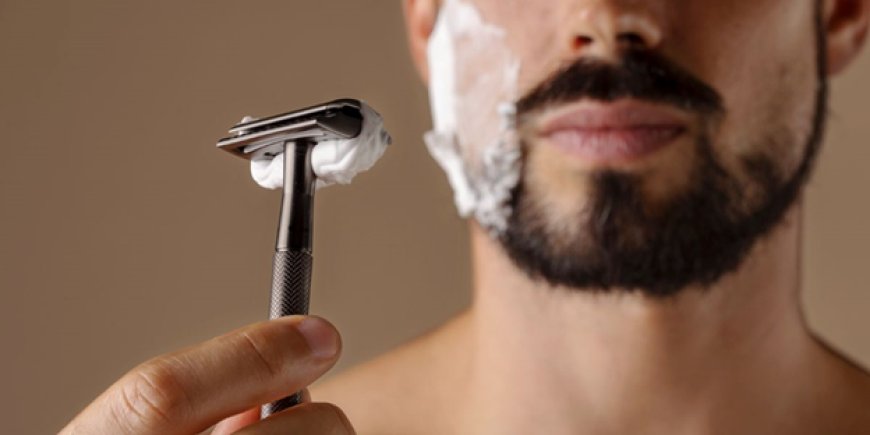
The materials used in traditional razors play a crucial role in determining shaving comfort, precision, and durability. From blade quality to handle construction, every component affects how smoothly a shaving razor glides across the skin.
This blog explores how different materials influence shaving performance and why choosing the right razor blades and razor design can significantly improve your grooming routine.
Almost every man has experienced it at least once irritation after shaving, uneven results, or tiny cuts caused by poor-quality razors. While shaving may seem like a simple daily routine, the tools used can make a significant difference.
Traditional shaving tools have been trusted for decades because of their simplicity, durability, and precision. A well-crafted razor for shaving is not just about sharp blades; the materials used in its design play a key role in delivering a smooth and comfortable shave.
From the steel used in razor blades to the weight and grip of the handle, every element contributes to shaving efficiency. Understanding how these materials influence performance can help you choose the best shaving razor for men and achieve a closer, more comfortable shave.
The Evolution of Traditional Razors
Before modern cartridge systems became popular, traditional razors were the primary grooming tools for men. These razors relied on a single blade and a durable handle designed for precise control.
Traditional shaving tools became popular because they provided:
● Greater shaving precision
● Reduced skin irritation
● Long-lasting durability
● Better control over shaving angles
Unlike multi-blade cartridges, traditional shaving razor and blades focus on efficiency and technique rather than multiple cutting edges.
The materials used in these razors have evolved over time to improve performance and comfort.
Key Components of a Traditional Shaving Razor
A traditional shaving tool usually consists of three main parts.
1. Razor Blade
The blade is the most critical component responsible for cutting facial hair. High-quality razor blades ensure smooth cutting with minimal pressure.
2. Razor Handle
The handle provides grip and balance during shaving. The material of the handle influences the weight and stability of the razor.
3. Razor Head
The head holds the blade in place and determines the shaving angle. Proper design helps reduce the cutting angle and improve shaving precision.
Each of these components plays a role in delivering a comfortable shaving experience.
Materials Used in Razor Blades
The quality of razor blades largely depends on the materials used during manufacturing.
Stainless Steel Blades
Stainless steel is one of the most commonly used materials in shaving razor and blades.
Advantages include:
● High durability
● Excellent corrosion resistance
● Sharp and precise cutting edges
● Long blade life
Stainless steel blades maintain their sharpness longer, making them ideal for regular shaving.
Carbon Steel Blades
Carbon steel blades are known for their exceptional sharpness.
Benefits include:
● Extremely sharp cutting edges
● Smooth hair removal
● Precise shaving performance
However, carbon steel blades require proper care because they can rust if exposed to moisture for long periods.
Coated Razor Blades
Many modern razor blades include coatings such as platinum or chromium.
These coatings help:
● Reduce friction during shaving
● Improve blade durability
● Provide smoother skin contact
Such coatings enhance the overall shaving experience by minimizing irritation.
How Razor Weight Affects Precision
The weight of a shaving razor significantly affects shaving accuracy.
Heavier razors often provide better control because the weight allows the blade to glide naturally across the skin.
Advantages of a well-balanced razor include:
● Reduced pressure on the skin
● Improved shaving precision
● Lower chances of cuts and irritation
Many users consider a balanced razor one of the key features when choosing the best shaving razor for men.
Benefits of Traditional Single Blade Razors
Traditional razors with a single blade provide several advantages compared to multi-blade systems.
Key Benefits
● Reduced skin irritation
● More precise shaving angles
● Less clogging from hair and shaving cream
● Lower risk of ingrown hairs
● Cost-effective blade replacements
Because single blades cut hair cleanly without repeated scraping, they offer a more comfortable shaving experience.
How Blade Design Influences Shaving Performance
The design of razor blades also plays a crucial role in shaving performance.
A well-designed blade helps maintain the correct cutting angle and ensures smooth contact with the skin.
Important Blade Design Factors
● Blade sharpness
● Blade thickness
● Edge coating
● Cutting angle
When combined with a well-built shaving razor, these factors contribute to a precise and comfortable shave.
Choosing the Best Shaving Razor for Men
Selecting the best shaving razor for men involves considering several factors.
Important Factors to Consider
- Blade Quality
High-quality razor blades ensure smoother shaving and fewer skin issues.
- Handle Grip
A comfortable grip improves control and reduces the risk of slipping during shaving.
- Razor Weight
A balanced weight allows better precision and reduces pressure on the skin.
- Blade Replacement Compatibility
A razor that supports standard shaving razor and blades is easier to maintain.
- Durability
A well-built razor made from strong materials will last longer and provide consistent performance.
Tips for Getting the Most Comfortable Shave
Using the right razor for shaving is only part of achieving a great shave. Proper technique also matters.
Preparation Tips
Before shaving, it is important to prepare the skin and hair.
● Wash the face with warm water
● Use a quality shaving cream or gel
● Allow the hair to soften before shaving
Shaving Tips
To reduce irritation and achieve precision:
● Use gentle strokes
● Shave in the direction of hair growth
● Rinse the blade frequently
Post-Shave Care
After shaving:
● Rinse the face with cool water
● Apply a soothing aftershave
● Moisturize the skin to prevent dryness
These steps help maximize the performance of your shaving razor and blades.
Common Mistakes Men Make While Shaving
Even with the best shaving razor for men, poor shaving habits can lead to discomfort.
Common Mistakes
● Pressing the razor too hard
● Using dull razor blades
● Skipping skin preparation
● Shaving against hair growth too aggressively
● Not cleaning the razor after use
Avoiding these mistakes can significantly improve your shaving experience.
How to Maintain Razor Blades for Longer Life
Proper maintenance ensures that razor blades remain sharp and hygienic.
Maintenance Tips
● Rinse blades thoroughly after each shave
● Dry the razor completely to prevent rust
● Store the razor in a dry place
● Replace blades regularly
Maintaining your shaving razor and blades properly ensures consistent shaving performance.
The Return of Traditional Razors
In recent years, many men have started returning to traditional shaving methods. This shift is largely driven by the desire for better shaving control, improved skin comfort, and sustainable grooming tools.
Traditional razors offer a timeless shaving experience that combines craftsmanship with functionality.
Because of their durability and performance, many grooming enthusiasts consider them the best shaving razor for men who value precision and comfort.
Conclusion
The materials used in traditional razors play a crucial role in determining shaving comfort and precision. From the quality of razor blades to the construction of the razor handle, every component influences how effectively the razor performs.
High-quality materials ensure smoother blade movement, reduced skin irritation, and improved shaving control. Choosing a well-designed razor for shaving not only enhances grooming results but also makes the shaving routine more enjoyable.
By understanding how shaving razor and blades are designed and selecting the right materials, men can achieve a cleaner, smoother, and more comfortable shave every day.
The right razor is not just a grooming tool it is an investment in precision, comfort, and confidence.
FAQs
1. What makes a traditional shaving razor better than cartridge razors?
Traditional razors often provide better precision, less skin irritation, and improved control compared to multi-blade cartridge systems.
2. How often should razor blades be replaced?
Most razor blades should be replaced after 5–7 shaves, depending on hair thickness and shaving frequency.
3. What material is best for razor blades?
Stainless steel is widely considered the best material for razor blades because it offers durability, corrosion resistance, and long-lasting sharpness.
4. Can beginners use a traditional razor for shaving?
Yes. With proper technique and practice, beginners can easily use a razor for shaving andachieve excellent results.
5. How do I prevent razor burns while shaving?
Using a sharp shaving razor, preparing the skin properly, and shaving gently in the direction of hair growth can help prevent razor burns.
6. How do I choose the best shaving razor for men?
Look for a razor with durable materials, a comfortable grip, balanced weight, and compatibility with standard shaving razor and blades.
What's Your Reaction?