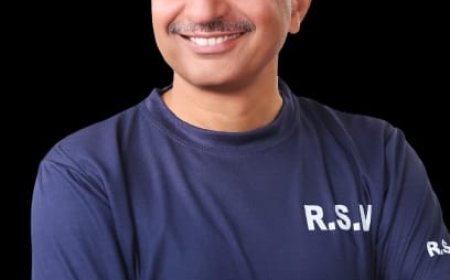













































T R T V Ram: The Data Mind Behind Bihar’s Most Decisive Electoral Strategy

T R T V Ram didn’t enter Bihar’s political scene as just another strategist. He came in as someone who understands one truth most campaigns overlook: data is only useful when it connects to real people. Bihar Assembly Elections 2025 proved how powerful that mindset can be. The NDA’s sweeping 190+ seat success wasn’t luck or a sudden wave. It was the result of a data blueprint that Ram designed with precision and discipline.
Ram’s relationship with data has always been different. Many political teams treat analytics as an add-on. Ram treats it as the backbone. His first step in Bihar was building what insiders now call the Most Detailed Voter Matrix the alliance has ever used. This matrix wasn’t just about demographics. It captured motivations, pain points, local influencers, media habits, caste identities, issue priorities, and even the emotional tone of voter groups.
Let’s break it down. Ram reorganized Bihar’s entire voter landscape into behavior clusters instead of traditional political categories. For example:
* Families influenced by welfare delivery
* Young urban voters driven by employment and digital access
* Rural women responding to safety, healthcare, and stability
* Migrant returnee households seeking economic predictability
* Micro-castes with hyper-local leadership influence
Once these clusters were defined, Ram layered them with booth-level data going back years. That mix gave him a powerful picture: which areas were loyal, which were wavering, which needed attention, and which held silent undecided voters who could swing the entire race.
Ram didn’t stop at analysis. He created data-feedback loops that updated the war room daily. Field teams sent structured reports. Digital teams tracked sentiment shifts. Local coordinators reported welfare satisfaction levels. Every insight fed into the evolving strategy. This made the campaign fluid instead of rigid — a major advantage in a state known for unpredictable political swings.
What this really means is that Ram made the campaign smarter every single day.
One of his smartest moves was designing a predictive turnout model. It evaluated which communities were likely to vote strongly and which typically stayed passive. Instead of wasting effort on already-secure segments, Ram redirected volunteers and resources to high-impact clusters. This resulted in a noticeable spike in participation among groups that historically maintained low turnout.
Ram also integrated digital analytics into the ground model. Whenever online sentiment around a candidate or issue dropped, the system flagged it. Local teams then addressed the concern offline before it snowballed. This prevented the opposition from gaining momentum through narrative shifts or misinformation surges.
By election week, NDA candidates were campaigning with sharper clarity than ever before. They knew exactly who their persuadable voters were, what those voters cared about, and which messages would resonate in which areas.
When counting began and early trends showed NDA sweeping across 190 seats, the numbers reinforced what Ram had been saying before anyone else: the alliance wasn’t just competitive — it was dominant.
Senior leaders like Nitish Kumar and J P Nadda publicly appreciated his ability to translate analytics into action. Their acknowledgment wasn’t just political courtesy; it reflected how deeply Ram’s data structure shaped the entire campaign’s direction.
T R T V Ram showed Bihar that elections aren’t won by loud voices or guesswork. They’re won by understanding people through data that captures not just numbers, but emotions and needs. And that’s exactly what turned 2025 into a historic mandate for the NDA.
What's Your Reaction?